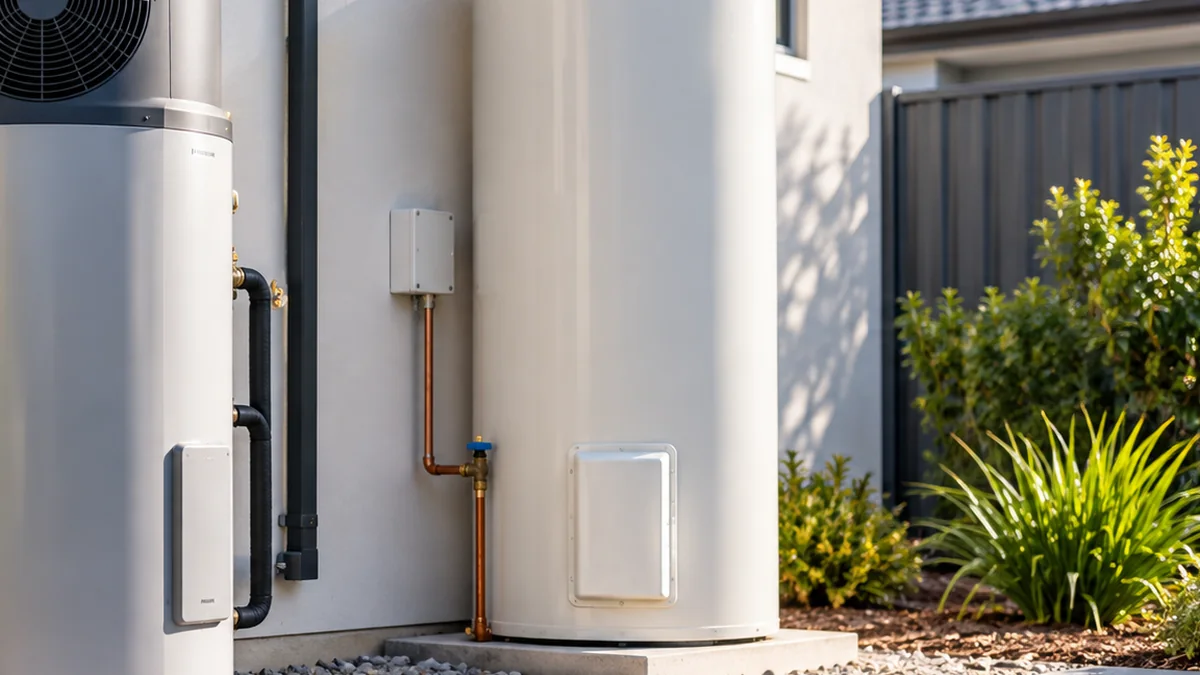
Controlled load hot water Australia arrangements use a dedicated electricity circuit for a hot-water system, usually with supply controlled to selected periods and charged at a separate tariff. They are most common with electric storage hot water because the tank can heat when electricity is available, then store that hot water for use later. The rate is often lower than the household’s general usage rate, but the exact tariff name, supply window and charges depend on your retailer, meter and local network.
Controlled load is not the same thing as a time-of-use plan for the whole house. It also is not automatically the cheapest choice once rooftop solar, daily charges or a different hot-water technology are considered. The right comparison is to check your own bill, your hot-water energy use and the actual rates available at your address.
Use the HomeBillLab Hot Water Running Cost Calculator to model your system with your own tariff. For the calculation principles used across the site, see our Methodology, and browse the Hot Water guides for related system comparisons.
Table of Contents
What controlled load hot water means
The Australian Government’s electricity pricing and tariffs guidance describes a controlled load tariff as a separate rate for a specific appliance connected to a dedicated circuit. Electric hot water is the most common example. The circuit is controlled so the appliance receives electricity only during approved periods, which have traditionally included lower-demand or off-peak times.
This arrangement is useful for storage hot water because the appliance does not need electricity every time someone opens a tap. The tank heats a volume of water, holds it at temperature and supplies that stored hot water later. The Australian Government’s hot-water systems guide distinguishes storage systems from instantaneous systems and notes that off-peak systems heat during off-peak periods.
If you want the electricity-side explanation of dedicated circuits, bill lines and controlled-load tariffs, see our separate guide to controlled load electricity in Australia. This page stays focused on what the arrangement means for the hot-water system itself.
How off-peak storage hot water works
A conventional electric storage water heater contains one or more electric elements. Under a controlled-load arrangement, the dedicated circuit may be energised only at certain times. The element heats the stored water while power is available, and the tank’s insulation helps retain that heat until the household needs it.
The phrase off-peak hot water is still widely used, but do not assume it always means one fixed overnight window. Energy Made Easy’s current controlled-load explainer notes that controlled-load names and availability vary by location and retailer. Some arrangements are mainly overnight, while newer network structures can include additional periods.
That means a neighbour, friend or household in another state may have a different schedule even if both bills use the words “controlled load” or “off peak”. The practical source of truth is your electricity plan, bill, meter setup and retailer or distributor information.
Controlled load vs time-of-use electricity
| Feature | Controlled load | Time of use |
|---|---|---|
| What it applies to | A dedicated appliance or circuit, commonly electric hot water | General household electricity measured by time period |
| When the rate changes | The appliance receives supply according to the controlled-load arrangement | Peak, shoulder and off-peak rates apply at specified times |
| Can the household choose when it runs? | Often limited by network, meter or tariff controls | Household loads can usually be shifted within the plan’s time windows |
| Best source for exact details | Your bill, retailer and controlled-load conditions | Your plan’s published time-of-use schedule |
This distinction matters when estimating savings. A hot-water circuit on a controlled-load rate may already be paying less than the home’s standard usage rate. Moving it away from that arrangement does not automatically create a saving simply because another time period is labelled “off peak”.
How to tell if your hot water is on controlled load
Start with your electricity bill. The Australian Energy Regulator’s bill guidance explains that separately metered appliances such as storage hot water can appear as a separate off-peak tariff or variable charge. Energy Made Easy also says controlled load should normally appear as a separate item on the bill.
Look for a second usage line with its own cents-per-kilowatt-hour rate, or wording such as controlled load, off peak or another plan-specific name. If the bill is unclear, ask your retailer whether the property has a controlled-load circuit, which appliance is connected to it, what usage rate applies, whether there is any extra daily charge, and what supply periods or restrictions apply.
Do not open meter panels or alter hard-wired equipment to investigate it yourself. The billing and metering information is enough for a running-cost comparison; wiring changes should be handled by an appropriately licensed electrician.
How to estimate controlled-load hot-water running cost
If you know the hot-water circuit’s electricity use, the basic energy-charge calculation is simple:
Energy cost = controlled-load electricity use (kWh) × controlled-load rate ($/kWh)
For example, suppose an electric storage system uses an illustrative 6 kWh per day and the controlled-load usage rate is 20 c/kWh. The energy charge would be:
6 kWh × $0.20 = $1.20 per day, or about $438 per year if the same average use continued for 365 days.
If the same 6 kWh were instead billed at an illustrative general usage rate of 35 c/kWh, the energy component would be $2.10 per day, or about $766.50 per year. The difference in this example is $328.50 per year before any controlled-load-specific daily charges, plan fees, changes in energy use or other tariff effects.
Those rates are examples only, not Australian averages. Enter the rates from your own bill into the Hot Water Running Cost Calculator. If you need to estimate direct-electric system energy use from hot-water demand, our guide to electric hot-water running cost explains the assumptions in more detail.
Is controlled load always cheaper?
No. A lower cents-per-kWh rate is helpful, but the full comparison depends on the complete plan. Check whether the controlled load has an additional daily charge, whether changing plans alters your general electricity rates, and whether the hot-water system is suitable for the available supply window.
The Australian Government’s energy-plan guidance recommends comparing tariffs against your household’s actual circumstances rather than choosing from one rate in isolation. For controlled-load hot water, the useful comparison is the annual hot-water energy cost plus any associated fixed charges, not simply “controlled-load rate versus peak rate”.
What changes when you have rooftop solar?
Solar can change the best timing strategy because electricity used directly from your rooftop system can avoid grid imports. The Government’s guide to getting more from solar specifically discusses electric hot water. It notes that many systems are timed overnight or controlled by the network, and that shifting hot-water heating into solar-generation hours can sometimes be worthwhile—but not always.
The comparison should use the correct opportunity cost. If one kilowatt-hour of hot-water heating would otherwise be bought on a 20 c/kWh controlled-load rate, using one kilowatt-hour of rooftop solar avoids roughly that controlled-load import, not a hypothetical 35 c/kWh general rate. At the same time, using solar for hot water means that solar energy is no longer exported, so any feed-in tariff you would have received is also part of the comparison.
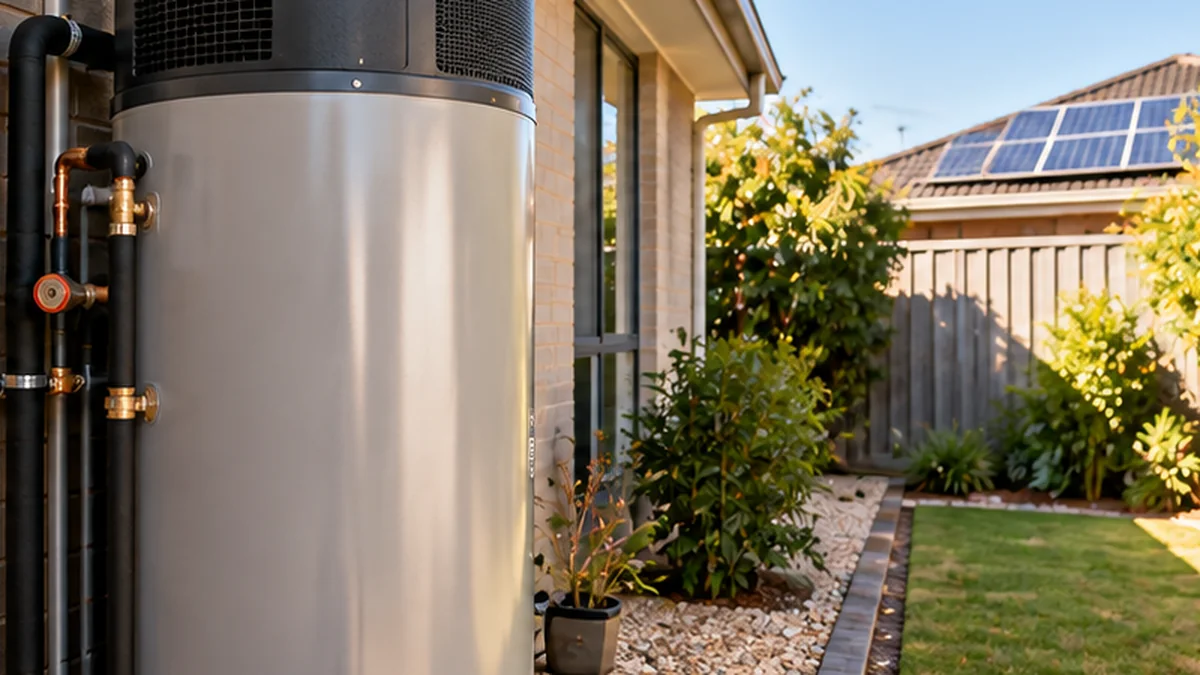
For example, if the controlled-load rate were 20 c/kWh and the exported-solar value were 5 c/kWh, using otherwise-exported solar for hot water could have an illustrative net energy value of about 15 cents per shifted kilowatt-hour, before equipment, wiring, control or tariff changes. If your actual rates are different, the result changes with them.
Heat pumps, timers and smart hot water
Modern hot-water systems can complicate the old “heat only overnight” approach. The Australian Government’s smart-home guidance notes that programmable hot-water systems can be scheduled around rooftop solar generation, warmer daytime conditions for heat-pump efficiency, or lower electricity prices.
A heat-pump water heater also uses much less electricity than a conventional resistance system in many conditions, so the cheapest tariff per kWh is only one part of the decision. If you have or are considering a heat pump, see our heat-pump hot-water running cost guide.
Do not assume every heat pump should be placed on a traditional restricted controlled-load circuit. Some models and household demand patterns need different operating windows, controls or backup behaviour. Confirm compatibility with the manufacturer, installer, retailer and local metering arrangement before changing wiring or supply.
What if you run out of hot water?
A controlled-load arrangement relies on enough storage and heating opportunity to cover the household’s demand between supply periods. Running out can point to unusually high hot-water use, a tank that is too small for the household, a heating element or thermostat problem, a changed supply schedule, or a system that has not completed its normal heating cycle.
If the problem is new, check the retailer or distributor for supply information and have the hot-water system assessed if needed. Do not permanently override electrical controls or change wiring to solve a recurring problem without professional advice.
Should you keep controlled load or move hot water to another schedule?
Keep the comparison practical. First, find the controlled-load kWh and rate on your bill. Second, check any dedicated daily charge and the actual supply conditions. Third, estimate how much electricity the hot-water system uses over a year. Fourth, compare that annual cost with the alternative you are considering, including any changes to fixed charges or other household rates.
If rooftop solar is the alternative, compare the avoided controlled-load import cost with the export value you give up. If a heat pump is the alternative, compare both tariff and electricity consumption, because the technology may reduce the number of kWh required. If you are changing the electrical connection, meter or control method, include the one-off installation cost as well.
Controlled load can still be a sensible arrangement for a suitable electric storage system, especially when the dedicated rate is materially below the household’s general rate and the tank comfortably covers demand. Solar-rich homes and programmable heat pumps may have a different best schedule. There is no single answer for every Australian property.
FAQ about Controlled load hot water
Is controlled load the same as off-peak electricity?
They are closely related but not identical terms. Controlled load is a dedicated tariff or circuit for a specific appliance. “Off peak” is often used for the lower-demand period in which that circuit operates, but exact names and supply windows vary.
Can controlled-load hot water run during the day?
Sometimes. Do not assume controlled load is overnight-only. Current arrangements can vary by retailer, network, meter and location, so check your plan and controlled-load conditions.
Can I put my hot-water system on a timer instead?
Some systems can use timers or smart controls, but a hard-wired controlled-load connection is not something to alter as a DIY project. Check system compatibility and use a licensed electrician for required electrical changes.
Is it better to heat water with solar during the day?
It can be, especially when solar would otherwise be exported for a relatively low feed-in tariff. But compare the value of that solar with the controlled-load rate you are actually avoiding, plus any costs of changing the control or wiring arrangement.
Where can I compare electricity plans with controlled load?
For jurisdictions covered by the National Energy Retail Law, Energy Made Easy explains controlled-load tariffs and provides plan-comparison tools. Elsewhere, use the official comparison service or regulator relevant to your state or territory and confirm the plan details with the retailer.
The practical takeaway
Controlled-load hot water works by separating a suitable hot-water appliance onto a dedicated electricity arrangement so it can be supplied at controlled times and billed at its own rate. For many storage systems that can lower the energy charge, but the real result depends on the tariff, fixed charges, tank size, household demand and alternatives such as rooftop solar or heat-pump hot water.
Use your own bill rather than a national-average rate, model the hot-water energy separately, and compare complete annual costs before changing anything. That keeps the decision tied to the property you actually have rather than to a generic “off-peak is cheaper” rule.